September 6, 2026
River Fest, Friday football & a busy week on the Mississinewa
Hey neighbors! It's a full week around Grant County — River Fest brings The Remedy Band to downtown Marion, Friday night lights return with homecoming at Eastbrook, and the final citywide cleanup of the year lands on the 12th. We've also got county budget hearings, a commissioner under an internal investigation, and a long list of soccer, volleyball, and college matchups to keep an eye on. Grab a lemonade and catch up.
Events
Labor Day - no school
via Marion Community Schools
Mon, Sep 7
all MCS schools
https://www.marion.k12.in.us/apps/events/35708787/No classes for students, and all school buildings and the District Office are closed for the holiday. Read more
IWU Men's Soccer vs Midland University
via IWU Athletics
Mon, Sep 7 · 11:00 AM
Marion, Ind., IWU Soccer Field
https://iwuwildcats.com/calendar.aspx?game_id=14720&sport_id=8Indiana Wesleyan University Men's Soccer vs Midland University Streaming Video: https://www.urbanedgenetwork.net/team/indiana-wesleyan-university-men-s-soccer Tickets: https://iwuwildcats.com/sports/2020/10/18/TICKETS.aspx
(Women's Tennis) Indiana East vs. Taylor
via Taylor Athletics
Tue, Sep 8 · 5:00 PM
https://taylor2023.prestosports.com/sports/wten/2026-27/schedule?tmpl=sfs-template(Women's Tennis) Indiana East vs. Taylor, Upland, IN
Eastbrook girls soccer vs. Yorktown
via Eastbrook Athletics
Tue, Sep 8 · 5:30 PM
Eastbrook High School (Jeff Adamson Stadium)
https://websites.eventlink.com/s/eastbrook-high-school/Event/25b1ef1e-fca4-4431-9b0d-8a5d8ec9223eEastbrook girls soccer vs. Yorktown at Eastbrook High School (Jeff Adamson Stadium).
Schedule via Eastbrook athletics on Eventlink.
Eastbrook volleyball vs. Elwood Jr.-Sr.
via Eastbrook Athletics
Tue, Sep 8 · 6:00 PM
Eastbrook High School
https://websites.eventlink.com/s/eastbrook-high-school/Event/d5c71aa7-67be-4165-a5bb-3dfff593221eEastbrook volleyball vs. Elwood Jr.-Sr. at Eastbrook High School.
Schedule via Eastbrook athletics on Eventlink.
Marion boys soccer vs. New Haven
via Marion Athletics
Tue, Sep 8 · 6:00 PM
Marion High School
https://www.maxpreps.com/in/marion/marion-giants/soccer/schedule/Marion boys soccer vs. New Haven, home game.
Schedule via MaxPreps.
Mississinewa boys soccer vs. Sheridan
via Mississinewa Athletics
Tue, Sep 8 · 6:00 PM
Mississinewa High School
https://websites.eventlink.com/s/mississinewa-high-school/Event/f3387a0b-3778-4e1a-8a57-22c7a1549c55Mississinewa boys soccer vs. Sheridan at Mississinewa High School.
Schedule via Mississinewa athletics on Eventlink.
Oak Hill girls soccer vs. Delta
via Oak Hill Athletics
Tue, Sep 8 · 6:30 PM
Oak Hill High School (Turf Field)
https://websites.eventlink.com/s/oak-hill-high-school/Event/e015f3c8-a258-4cca-8cd1-db735b82e998Oak Hill girls soccer vs. Delta at Oak Hill High School (Turf Field).
Schedule via Oak Hill athletics on Eventlink.
Marion girls volleyball vs. Fort Wayne Wayne
via Marion Athletics
Tue, Sep 8 · 7:30 PM
Marion High School
https://www.maxpreps.com/in/marion/marion-giants/volleyball/schedule/Marion girls volleyball vs. Fort Wayne Wayne, home game.
Schedule via MaxPreps.
(Women's Soccer) St. Mary-Woods vs. #14 Taylor
via Taylor Athletics
Wed, Sep 9 · 4:00 PM
https://taylortrojans.com/links/iie8qf(Women's Soccer) St. Mary-Woods vs. #14 Taylor, Upland, IN
Madison-Grant boys tennis vs. Frankton
via Madison-Grant Athletics
Wed, Sep 9 · 5:00 PM
Madison-Grant Jr/Sr High School
https://websites.eventlink.com/s/madisongrant/Event/cc868312-4b23-4a8e-ad72-27de6a634e50Madison-Grant boys tennis vs. Frankton at Madison-Grant Jr/Sr High School.
Schedule via Madison-Grant athletics on Eventlink.
Oak Hill girls golf vs. Alexandria Monroe
via Oak Hill Athletics
Wed, Sep 9 · 5:00 PM
Oak Hill High School
https://websites.eventlink.com/s/oak-hill-high-school/Event/45f87724-070a-46fb-a2e4-fc296344ad3aOak Hill girls golf vs. Alexandria Monroe at Oak Hill High School.
Schedule via Oak Hill athletics on Eventlink.

Golden Hour
via allevents.in
Wed, Sep 9 · 6:00 PM
Tashema Davis Fine Art Studios
https://www.eventbrite.com/e/1999224202407Let's Paint
Madison-Grant girls volleyball vs. Mississinewa
via Madison-Grant Athletics
Wed, Sep 9 · 6:00 PM
Madison-Grant Jr/Sr High School
https://websites.eventlink.com/s/madisongrant/Event/c579bae2-37a9-4ccb-b7b3-f4a839c1687cMadison-Grant girls volleyball vs. Mississinewa at Madison-Grant Jr/Sr High School.
Schedule via Madison-Grant athletics on Eventlink.
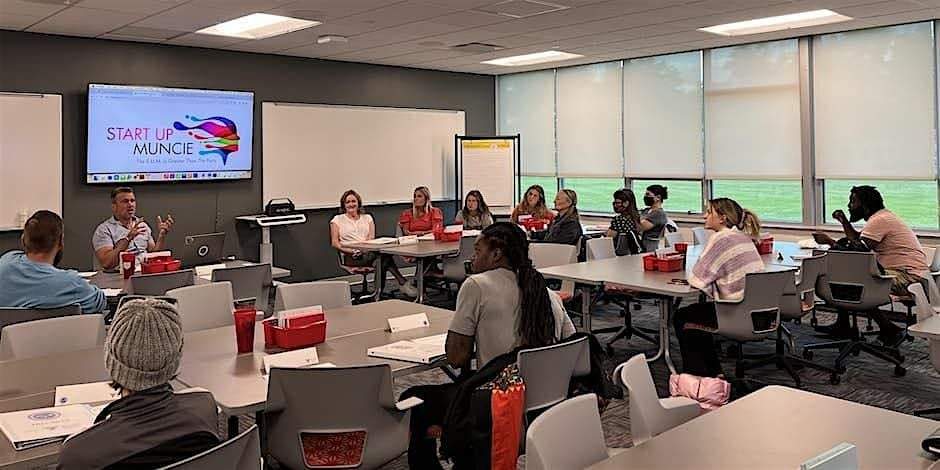
Impact X Free Community Class (Marion)
via allevents.in
Wed, Sep 9 · 6:30 PM
511 W 3rd St
https://www.eventbrite.com/e/1990511559658Impact X is a free class designed to help you take your idea from dream to reality! We have helped launch dozens of businesses here in ECI.
IWU Women's Volleyball vs Marian University (Ind.)
via IWU Athletics
Wed, Sep 9 · 7:00 PM
Marion, Ind., Luckey Arena
https://iwuwildcats.com/calendar.aspx?game_id=14551&sport_id=19Indiana Wesleyan University Women's Volleyball vs Marian University (Ind.) Streaming Video: https://urbanedgenetwork.net/?school=indiana-wesleyan-university Tickets: https://iwuwildcats.com/sports/2020/10/18/TICKETS.aspx
Senior Executive Club
via allevents.in
Thu, Sep 10 · 1:00 PM
614 West 14th Street, Marion, IN, United States, Indiana 46953
https://allevents.in/marion/senior-executive-club/200030559636054Join us for Senior Executive Club on every second Thursday of the month through the end of 2026! September 10: Introduction & Bingo October 8: Speaker & Bingo November 12: Dessert Giveaway & Bingo December 10: Bring a Friend to Holiday Bingo Please RSVP to Chelsie at 765.662.3701
Find it on Facebook: facebook.com/AperionCareMarion
2nd Annual Jones Lecture on Civic Life: Dr. Nicholas Kerton-Johnson
via Taylor University
Thu, Sep 10 · 4:00 PM
AYRES 214 (The Courtroom) Classroom
https://25livepub.collegenet.com/calendars/comprehensive-campus-events-calendar?trumbaEmbed=view%3Devent%26eventid%3D14096660802nd Annual Jones Lecture on Civic Life: Dr. Nicholas Kerton-Johnson at AYRES 214 (The Courtroom) Classroom.
Mississinewa boys tennis vs. Maconaquah Schools
via Mississinewa Athletics
Thu, Sep 10 · 5:00 PM
Mississinewa High School
https://websites.eventlink.com/s/mississinewa-high-school/Event/4587efe8-6bcb-4024-9bb4-7001fc90c880Mississinewa boys tennis vs. Maconaquah Schools at Mississinewa High School.
Schedule via Mississinewa athletics on Eventlink.
Oak Hill girls soccer vs. Jay County
via Oak Hill Athletics
Thu, Sep 10 · 5:30 PM
Oak Hill High School
https://websites.eventlink.com/s/oak-hill-high-school/Event/80696e67-1643-4918-a681-13dadbeb8ed3Oak Hill girls soccer vs. Jay County at Oak Hill High School.
Schedule via Oak Hill athletics on Eventlink.
Mississinewa boys soccer vs. Western
via Mississinewa Athletics
Thu, Sep 10 · 6:00 PM
Mississinewa High School
https://websites.eventlink.com/s/mississinewa-high-school/Event/7441b620-905e-4a11-ad9d-319439681019Mississinewa boys soccer vs. Western at Mississinewa High School.
Schedule via Mississinewa athletics on Eventlink.
Marion boys soccer vs. Tippecanoe Valley
via Marion Athletics
Thu, Sep 10 · 6:00 PM
Marion High School
https://www.maxpreps.com/in/marion/marion-giants/soccer/schedule/Marion boys soccer vs. Tippecanoe Valley, home game.
Schedule via MaxPreps.

Flamingo After Dark
via allevents.in
Thu, Sep 10 · 6:00 PM
Tashema Davis Fine Art Studios
https://www.eventbrite.com/e/1999224511331Let's Paint
Eastbrook volleyball vs. Oak Hill
via Eastbrook Athletics
Thu, Sep 10 · 6:00 PM
Eastbrook High School
https://websites.eventlink.com/s/eastbrook-high-school/Event/9dae720d-c333-406f-ad03-4e3352d5c791Eastbrook volleyball vs. Oak Hill at Eastbrook High School.
Schedule via Eastbrook athletics on Eventlink.

Indiana Pipe Show
via Show Me Grant County
Fri, Sep 11 · 5:00 PM
Mississinewa Cigar Company, 1038 E Main St, Gas City, IN, 46933
https://showmegrantcounty.com/event/indiana-pipe-show/There will be more pipes than you can smoke!!! This event was well attended in 2025 and we are expecting a much larger turnout in 2026!! Mark your calendars for the largest Pipe Show in Indiana!!!
Mark Masuoka "CROSSHAIR" Opening Reception/Presentation
via Taylor University
Fri, Sep 11 · 6:00 PM
Whitaker Auditorium (MMVA 002)
https://25livepub.collegenet.com/calendars/comprehensive-campus-events-calendar?trumbaEmbed=view%3Devent%26eventid%3D1432626196Mark Masuoka "CROSSHAIR" Opening Reception/Presentation at Whitaker Auditorium (MMVA 002).
Mississinewa football vs. Alexandria-Monroe
via Mississinewa Athletics
Fri, Sep 11 · 7:00 PM
Mississinewa High School
https://websites.eventlink.com/s/mississinewa-high-school/Event/16833c2c-78c6-4fc9-90ab-ed14766ac69cMississinewa football vs. Alexandria-Monroe at Mississinewa High School.
Schedule via Mississinewa athletics on Eventlink.
Eastbrook football vs. Blackford (Homecoming/Youth Night)
via Eastbrook Athletics
Fri, Sep 11 · 7:00 PM
Eastbrook High School (Jeff Adamson Stadium)
https://websites.eventlink.com/s/eastbrook-high-school/Event/9f8eef9e-a1df-45ad-a31e-afd6e189f2ecEastbrook football vs. Blackford (Homecoming/Youth Night) at Eastbrook High School (Jeff Adamson Stadium).
Schedule via Eastbrook athletics on Eventlink.
Oak Hill football vs. Frankton
via Oak Hill Athletics
Fri, Sep 11 · 7:00 PM
Oak Hill High School
https://websites.eventlink.com/s/oak-hill-high-school/Event/e8ed5416-348d-4a9c-877e-010684bc3a1eOak Hill football vs. Frankton at Oak Hill High School.
Schedule via Oak Hill athletics on Eventlink.
River Fest 2026
via allevents.in
Sat, Sep 12
Downtown Marion
https://allevents.in/marion/river-fest-2026/200030240843004The Remedy Band will headline this years River Fest in downtown Marion. Presented by (Riverside Community Federal Credit Union!! ) September 12th all day event but Remedy will take the stage at 7 pm! #marionindiana #downtown #downtownmarion #Riverfest #arts
Find it on Facebook: facebook.com/restaurantlosamores
Madison-Grant boys tennis: Argyll Invitational
via Madison-Grant Athletics
Sat, Sep 12 · 9:00 AM
Madison-Grant Jr/Sr High School
https://websites.eventlink.com/s/madisongrant/Event/256bc5b5-0968-4e78-9cd2-e536b787d9b2Madison-Grant boys tennis: Argyll Invitational at Madison-Grant Jr/Sr High School.
Schedule via Madison-Grant athletics on Eventlink.
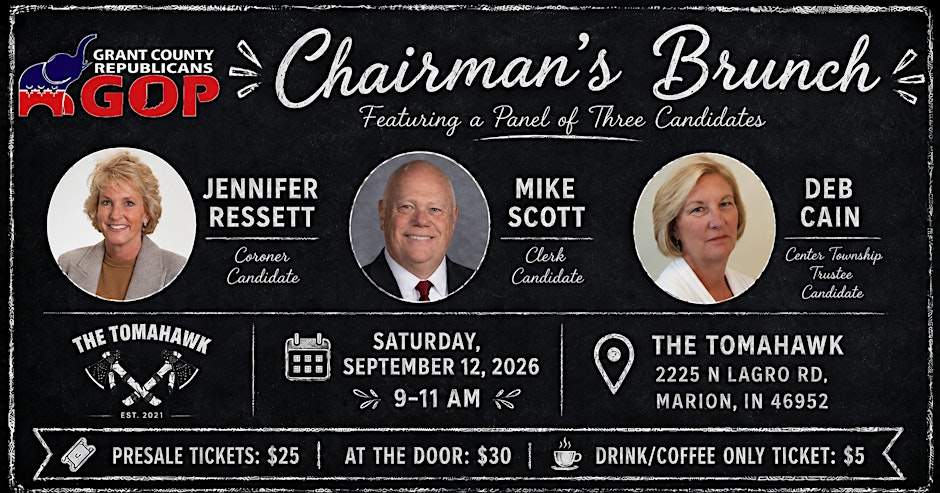
September Brunch - Candidate Panel
via Eventbrite
Sat, Sep 12 · 9:00 AM
The Tomahawk
https://www.eventbrite.com/e/september-brunch-candidate-panel-tickets-1997803876173Join the Grant County GOP for their September Brunch featuring three of our candidates.
Eastbrook boys soccer vs. Bellmont
via Eastbrook Athletics
Sat, Sep 12 · 11:00 AM
Eastbrook High School (Jeff Adamson Stadium)
https://websites.eventlink.com/s/eastbrook-high-school/Event/f6e88048-cde8-416f-9ce3-c6a1ea831d10Eastbrook boys soccer vs. Bellmont at Eastbrook High School (Jeff Adamson Stadium).
Schedule via Eastbrook athletics on Eventlink.
Oak Hill boys soccer vs. HAMILTON SOUTHEASTERN
via Oak Hill Athletics
Sat, Sep 12 · 11:30 AM
Oak Hill High School
https://websites.eventlink.com/s/oak-hill-high-school/Event/4d10c0a0-8d54-42dd-b92d-7428421383d1Oak Hill boys soccer vs. HAMILTON SOUTHEASTERN at Oak Hill High School.
Schedule via Oak Hill athletics on Eventlink.
Marion boys soccer vs. Richmond
via Marion Athletics
Sat, Sep 12 · 12:00 PM
Marion High School
https://www.maxpreps.com/in/marion/marion-giants/soccer/schedule/Marion boys soccer vs. Richmond, home game.
Schedule via MaxPreps.
Oak Hill girls golf vs. Grant 4
via Oak Hill Athletics
Sat, Sep 12 · 2:00 PM
Oak Hill High School
https://websites.eventlink.com/s/oak-hill-high-school/Event/43b6b692-907f-4805-a6ea-7cf0000184f7Oak Hill girls golf vs. Grant 4 at Oak Hill High School.
Schedule via Oak Hill athletics on Eventlink.
IWU Men's Soccer vs #18 Lindsey Wilson College (Ky.)
via IWU Athletics
Sat, Sep 12 · 3:00 PM
Marion, Ind., IWU Soccer Field
https://iwuwildcats.com/calendar.aspx?game_id=14722&sport_id=8Indiana Wesleyan University Men's Soccer vs #18 Lindsey Wilson College (Ky.) Streaming Video: https://www.urbanedgenetwork.net/team/indiana-wesleyan-university-men-s-soccer Tickets: https://iwuwildcats.com/sports/2020/10/18/TICKETS.aspx
(Women's Volleyball) #RV Grace vs. #14 Taylor
via Taylor Athletics
Sat, Sep 12 · 3:30 PM
https://taylortrojans.com/links/u1wzyw(Women's Volleyball) #RV Grace vs. #14 Taylor, Upland, IN
(Women's Volleyball) Grace vs. #RV Taylor
via Taylor Athletics
Sat, Sep 12 · 3:30 PM
https://taylortrojans.com/links/u1wzyw(Women's Volleyball) Grace vs. #RV Taylor, Upland, IN
IWU Football vs Saint Mary-of-the-Woods College - Hall of Honor
via IWU Athletics
Sat, Sep 12 · 6:00 PM
Marion, Ind., Wildcat Football Stadium
https://iwuwildcats.com/calendar.aspx?game_id=14055&sport_id=2Indiana Wesleyan University Football vs Saint Mary-of-the-Woods College - Hall of Honor Streaming Video: https://team1sports.com/indianawesleyan/ Tickets: https://iwuwildcats.com/sports/2020/10/18/TICKETS.aspx
(Men's Soccer) IU Columbus vs. Taylor
via Taylor Athletics
Sat, Sep 12 · 7:00 PM
https://taylortrojans.com/links/iie8qf(Men's Soccer) IU Columbus vs. Taylor, Upland, IN


Sports
This Week in Grant County College Sports
via Crossroads League
https://www.crossroadsleague.com/compositeMen's Soccer
Taylor 3, Wittenberg 1
Indiana Wesleyan 1, Olivet Nazarene (IL) 1
Indiana Wesleyan 2, Madonna 0
Taylor 0, Michigan-Dearborn 0Women's Soccer
Taylor 0, Lawrence Tech 0
Indiana Wesleyan 4, Tennessee Southern 0
Indiana Wesleyan 5, Rochester Christian (Mich.) 0
Taylor 4, Indiana Tech 1Women's Volleyball
Indiana Wesleyan 2, MidAmerica Nazarene 3
Taylor 3, CIU (SC) 0
Indiana Wesleyan 3, Concordia (NE) 2
Taylor 3, Bushnell (OR) 1
Taylor 2, Indiana Wesleyan 3
Taylor 3, Campbellsville (KY) 1
Taylor 3, Saint Xavier (IL) 0Grant County College Sports Schedule
via Crossroads League
https://www.crossroadsleague.com/compositeMen's Soccer
Sat, Sep 5 — Indiana Wesleyan vs. Westcliff (CA)
Sat, Sep 5 — Taylor at Rochester Christian (Mich.)
Mon, Sep 7 — Indiana Wesleyan vs. Midland
Wed, Sep 9 — Taylor at Madonna
Sat, Sep 12 — Indiana Wesleyan vs. Lindsey Wilson
Sat, Sep 12 — Taylor vs. IU Columbus (Ind.)Men's Tennis
Tue, Sep 8 — Taylor vs. Indiana East
Thu, Sep 10 — Taylor at AndersonWomen's Cross Country
Fri, Sep 4 — Indiana Wesleyan Twilight InvitationalWomen's Golf
Mon, Sep 7 — Indiana Wesleyan Wildcat Invitational (Rounds 1 and 2)
Tue, Sep 8 — Indiana Wesleyan Wildcat Invitational (Final Round)Women's Soccer
Sat, Sep 5 — Indiana Wesleyan vs. Cumberlands (KY)
Sat, Sep 5 — Taylor vs. Aquinas (MI)
Wed, Sep 9 — Indiana Wesleyan at Madonna
Wed, Sep 9 — Taylor vs. St. Mary-Woods
Sat, Sep 12 — Taylor at MadonnaWomen's Tennis
Tue, Sep 8 — Taylor vs. Indiana East
Thu, Sep 10 — Taylor at AndersonWomen's Volleyball
Fri, Sep 4 — Taylor vs. Campbellsville (KY)
Fri, Sep 4 — Taylor vs. Saint Xavier (IL)
Sat, Sep 5 — Taylor vs. Pikeville (KY)
Wed, Sep 9 — Taylor at Saint Francis (Ind.)
Wed, Sep 9 — Indiana Wesleyan vs. Marian (IN)
Fri, Sep 11 — Indiana Wesleyan at Mount Vernon Nazarene (OH)
Sat, Sep 12 — Taylor vs. Grace (IN)
Community news
URGENT TRAFFIC NOTICE — Marion Animal Control Center ACCESS
via City of Marion
https://cityofmarion.in.gov/news-events/urgent-traffic-notice-marion-animal-control-center-accessURGENT TRAFFIC NOTICE — Marion Animal Control Center ACCESS State Road 18 is currently UNDER CONSTRUCTION , and there is NO ACCESS to MACC from State Road 18 at this time. ALTERNATE ROUTE : Please use the one-way road at the traffic light at Pennsylvania Street and Third Street, near the old Tucker building, to access MACC . This route should be used UNTIL FURTHER NOTICE . Please
City of Marion offices will be CLOSED on Monday, September 7, 2026
via City of Marion
https://cityofmarion.in.gov/news-events/city-of-marion-offices-will-be-closed-on-monday-september-7-2026In observance of Labor Day, City of Marion offices will be CLOSED on Monday, September 7 , 2026 . We take this day to recognize and celebrate the hardworking men and women whose dedication helps keep our community moving forward. City offices will reopen on Tuesday, September 8 , for regular business hours. Have a safe, relaxing, and happy Labor Day Weekend, Marion!
MUNICIPAL UNIT STRATEGIC TASKFORCE MEETING (MUST) - September 2nd 2026
via Grant County Government
Wed, Sep 2
MUNICIPAL UNIT STRATEGIC TASKFORCE MEETING (MUST) - September 2nd 2026
Grant County Commissioners - Special Session (9-2-2026)
via Grant County Government
Wed, Sep 2
Grant County Commissioners - Special Session (9-2-2026)
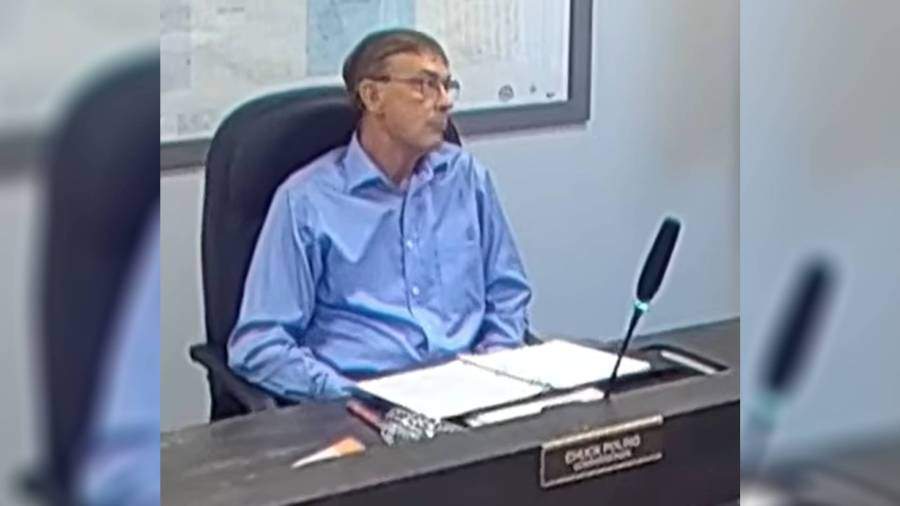
"Get ready for Hell": Grant County Commissioner accused of laundry list of misconduct
via WANE 15
https://www.wane.com/top-stories/get-ready-for-hell-grant-county-commissioner-accused-of-laundry-list-of-misconduct/A comprehensive internal investigation conducted by the Grant County Legal Department accuses a Grant County commissioner of criminal misconduct.
9/3 Utility Board Meeting Rescheduled to 9/17
via City of Marion
https://cityofmarion.in.gov/news-events/9-3-utility-board-meeting-rescheduled-to-9-17The Marion Utility Service Board’s scheduled meeting for Thursday, September 3 rd , 2026 has been rescheduled for Thursday, September 17 th , 2026 at 5 : 30 pm in the L.E.A.D. Center, Building 101 , at Marion Utilities, 1540 North Washington Street, Marion, Indiana. The agenda will be sent prior to the meeting. The formal notice is attached.

FINAL Citywide Cleanup of the Year, 9/12/26
via City of Marion
https://cityofmarion.in.gov/news-events/citywide-cleanup-9-12-26We’re very grateful to have Trusted Facility Solutions as our food & drink sponsor! Thank you to the Grant County Rescue Mission this month for being our Central Location volunteer group! To learn more about this Citywide Cleanup, please click the link below. Citywide Cleanups
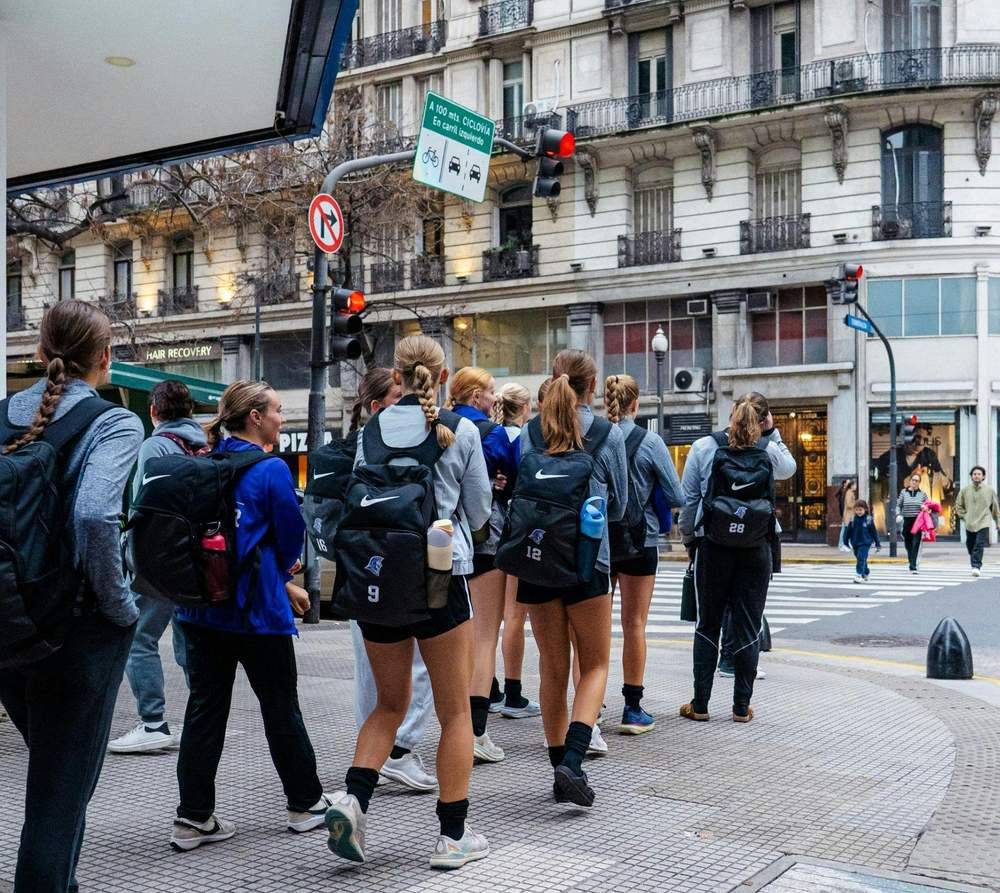
Fútbol and faith: Women's soccer ministers in Argentina
via Taylor University — The Echo
https://www.theechonews.com/article/2026/09/futbol-and-faith-womens-soccer-ministers-in-argentinaOn Aug. 4, Taylor women's soccer left Indiana for Buenos Aires, Argentina. The team partnered with Infinity Global Sports, an agency that provides opportunities for sports teams in South American countries. Their aim is to combine "elite competition, cultural immersion, and personal development." Throughout the trip, Taylor participated in two practices and competed in three games. They rivaled Ar
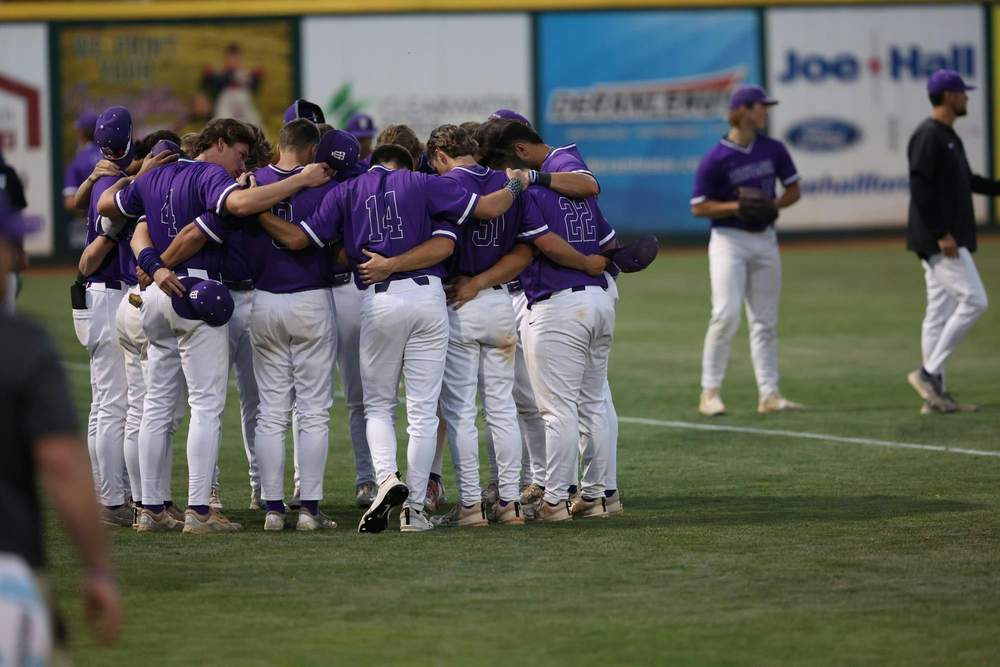
Taylor Baseball becomes National runner-up
via Taylor University — The Echo
https://www.theechonews.com/article/2026/09/baseball-becomes-national-runner-upAfter a year full of program records and dominating competition, Taylor baseball proved themselves on the big stage at the NAIA College World Series in Lewiston, Idaho. After going 49-5 across the regular season and winning the Crossroads League Championship, the Trojans secured their spot in the College World Series by going 3-0 enroute to winning their bracket of the NAIA Opening Round. This mar
How Marion Works ft. Building Commissioner Justin Dickerson
via City of Marion
https://cityofmarion.in.gov/news-events/how-marion-works-ft-building-commissioner-justin-dickersonCheck out the latest episode of How Marion Works , featuring Building Commissioner Justin Dickerson : Listen to this episode: https://www.buzzsprout.com/ 244 … Follow this podcast: https://www.buzzsprout.com/ 244 …
Budget Hearing Night 4 (8-27-2026)
via Grant County Government
Thu, Aug 27
Budget Hearing Night 4 (8-27-2026) - This night is tourism, disability services, mental health, EMS, treasurer, emergency management and the council's own funds.

MHS students, grads earn AP Scholar honors and more
via Marion Community Schools
http://www.marion.k12.in.us/apps/news/article/2226545Congratulations to these Giants on these outstanding achievements!

1 dead, several displaced after apartment fire
via WANE 15
https://www.wane.com/top-stories/1-dead-several-displaced-after-apartment-fire/The fire happened in the 3600 block of South Prince Hall Drive on Marion's southwest side.
Letters to the editor
My dad only bought GM. What if we asked Meta for the product, too?
By Ryan Kellermeyer, Marion· ✓ Verified
Growing up, my dad only bought GM.
It wasn’t really about the cars. He ran a business, and a lot of his customers worked in the auto plants. When they did well, he did well. When the line slowed down, so did his week. Buying a Chevy was not loyalty to a logo. It was loyalty to the people across the counter, and to an industry that made something real close to home.
There was another part to that culture, and if you grew up around here you remember it. Domestic versus foreign. Better to drive a Ford in GM country than a Honda. Buying the wrong car did not feel like a consumer preference. It felt like picking a side.
The AI argument sounds familiar. When Lt. Governor Micah Beckwith came to a Marion town hall on the last day of July, he said data centers are how “we win the technology war,” and that they are a matter of national security. Build them here, or China builds them there. I have heard that argument my whole life. It used to be about cars.
I have been thinking about all of that while reading about the data center proposed for Marion. A data center is not exactly a factory in the traditional sense. Nothing rolls out the door on a truck. But economically, I think it helps to think of it as one. What it produces is computing power — the thing behind the AI models people are already using to write, research, design, code, analyze and automate work. That capacity is expensive. Demand for it is enormous. That is why a company would consider spending roughly $2 billion to build a facility here in the first place.
So here is the question I wish we had asked: if somebody wants to build a factory in Grant County, why are we only negotiating for a check? Why not ask for some of what the factory makes?
I am asking late. The proposal may already be dead. I am asking anyway, because I am not sure we ever got far enough to have the argument.
What was on the table
The summary sheet Mayor Ronald Morrell Jr. released in August listed $176.5 million in “community impact payments” over the life of the project. That is real money. Over twenty years, it averages about $8.8 million a year. Grant County has roughly 66,500 residents, so spread evenly across the population it is the equivalent of about $133 per person per year — around $11 a month.
That is not how community payments actually work. Nobody was proposing to hand every resident eleven bucks. Concentrated into roads, schools, public safety or infrastructure, $8.8 million a year could matter a great deal. But the per-person number gives us a sense of scale, and it raises a different question: could the same cost to the company create more value here if some of the bargain came in the thing the facility exists to produce?
Ask for what the factory makes
A technology company can produce computing capacity for less than a customer would pay to buy comparable computing or AI services on the open market. The company owns the chips, the buildings and the infrastructure. The hard part is knowing how big that difference really is. Meta does not publish a Grant County price list for its internal computing capacity. It is not Amazon Web Services today. There is no clean retail number I can point to and say, this is exactly what one dollar of Meta’s compute costs to produce and exactly what it is worth.
But that distinction may be getting smaller. On July 1, Bloomberg reported that Meta is developing plans for a cloud infrastructure business that would sell outside customers access to AI computing power and models, using excess capacity from the enormous infrastructure buildout Meta is undertaking for its own AI ambitions. Eight days later, Mark Zuckerberg told Bloomberg that outside offers for computing capacity are so high that, in some cases, it may make more sense for Meta to rent that capacity out than use it internally.
That changes this thought experiment in an important way. I am not imagining some strange byproduct Meta has no way to sell. Meta itself is exploring how to turn computing capacity from its data centers into a product for outside customers. The question is whether a community hosting one of those facilities could negotiate to become one of those customers on unusually favorable terms.
So what follows is still a thought experiment. Suppose a dollar of cost to the company could provide four dollars of comparable commercial computing value. Under that assumption, instead of costing Meta $176.5 million to give Marion $176.5 million in cash, the same company cost could theoretically deliver something like $706 million worth of computing capacity over twenty years. Four dollars of usable value here for every dollar of company cost.
Is four to one realistic? I found one AI company that has published unusually detailed inference-cost figures. In February 2025 DeepSeek posted its own numbers: running its models cost about $87,000 a day and, at list prices, would have brought in about $562,000. That is about six and a half dollars of revenue for every dollar of cost — better than the four to one assumed here. It added that its real take was lower, because much of its use was free. The American labs report the other way around. Anthropic spent about 71 cents on computing for every dollar of revenue in early 2026, with 56 cents projected for the next quarter — but that number includes the cost of training the models, not just running them, and the free users too. So the published figures run from about six and a half to one down to about one and a half to one, depending on what you count. Four to one sits inside that range, nearer the one company that has actually opened its books. The principle holds: ask for what the factory makes.
What a deal could look like
I can imagine four pieces.
One: Give every resident a real AI allowance. Not a seven-day trial. Not a promotional account. A meaningful amount of access every year. Using the hypothetical numbers above, if 60 percent of the compute pool went to residents, that would come to roughly $318 per person per year — about $26 a month in commercial value. That is enough to cover the cost of many paid consumer AI plans today. Every resident, every year.
Two: Build a serious pool for local businesses. Put the remaining 40 percent toward businesses. Federal labor statistics counted 1,298 business establishments in Grant County in early 2026. That count only includes employers with payroll, so it misses some farmers, independent contractors and one-person businesses, and the true denominator would be larger. But using 1,298 gives you a sense of scale: our hypothetical pool would work out to roughly $10,900 a year per establishment in computing capacity. For a small business that knew how to use it, that could buy an extraordinary amount of research, coding, design, analysis and automation.
Three: Whatever we don’t use, sell it — and put the money into the schools. Plenty of residents will never use their full allowance. That value should not simply disappear. The agreement could require Meta to resell the unused capacity itself and send the proceeds back to Grant County, or buy the unused portion back at an agreed percentage of its market value. Using the assumptions above, if 45 percent of the resident pool went unused and was converted back to cash at half of retail value, that would mean about $4.8 million a year — roughly $95 million over twenty years — for Grant County schools. The point is simple: residents get first use of the product, and what they do not use becomes cash for the schools.
Four: Give Grant County permanent access at the company’s cost. This may be the most valuable part. Once a local business burns through its free allocation, let it buy more at some negotiated price tied to the provider’s cost rather than normal market rates. If our hypothetical four-to-one ratio were anywhere close to reality, a company here spending $100,000 could receive something approaching $400,000 in commercial computing value. Now we are no longer talking about a community perk. We are talking about an economic-development strategy.
If the cloud business Bloomberg described becomes real, that also gives this idea a much more practical shape. Grant County would not need some back door into Meta’s internal systems. An agreement could provide credits or reserved capacity through whatever commercial compute platform Meta creates, with a guaranteed minimum dollar value and substitution provisions if the product changes. Meta would build the marketplace. Grant County would negotiate to be a preferred customer.
Grant County has seen this before. Natural gas helped turn Marion into an industrial city and turned a little village called Harrisburg into Gas City. Factories came because the fuel was here and it was cheap. If computing power fuels the next generation of businesses as natural gas fueled the manufacturers of the gas boom, unusually cheap compute could give Grant County that kind of advantage again.
Why I think businesses could follow
If somebody handed me a generous frontier-AI account tomorrow and told me I could use it without worrying about the bill, I would build things. Most would go nowhere. One or two might work. Now multiply that possibility by every welder, teacher, farmer, nurse, programmer, student, manufacturer and shop owner in Grant County who has an idea and no budget to test it. Then imagine a company deciding where to locate a new operation and discovering that one county has access to an important business input at a fraction of what competitors elsewhere pay. That is a different economic-development pitch.
The jobs would not primarily come from the data center itself. The Marion summary sheet projected fifty full-time positions, which is in line with the relatively small permanent workforces large data centers typically employ. The bigger opportunity, if there is one, would be jobs created through businesses using what the data center produces.
That feels familiar to me. My dad’s business did not work for GM. GM did not own it. But when thousands of people in this region made good money making cars and car parts, they hired people like my dad. The factory’s prosperity leaked out its doors. What would it look like to intentionally design that effect for an AI economy?
Nobody has actually done this as a community deal
I could not find a community anywhere that has successfully negotiated the kind of compute agreement I am describing. Nobody has landed this. But I did find evidence that the basic instinct — ask a data center for something besides ordinary tax revenue — is already showing up around the country.
The closest example came from Jordana Barton-García, who published a guide in March 2026 for communities negotiating with data centers. Among her suggestions: require developers to dedicate server capacity — “compute power” — to local innovation, research and startups. She also suggests using excess connectivity to improve local internet access. That is a recommendation, not a deal anyone has signed.
New Jersey went a step further. Companies seeking state AI tax credits had to work with New Jersey universities or startups and document benefits including “price concessions, artificial intelligence support services, or other measures”. In plain English: part of the public benefit could be cheaper access to AI. Then came the twist. On August 28, New Jersey passed legislation taking the remaining $250 million in that incentive program back. The state decided the credits were not worth continuing.
Two Brookings Institution researchers proposed another version in January: communities hosting data centers should receive at least half of one percent of the facility’s gross revenue every year, through a legally binding and public agreement. Their version is cash. Mine is partly product. But the instinct is the same: if a community is helping create the conditions that make an enormously valuable enterprise possible, share some of the value it creates.
Communities are already negotiating creatively. Frederick County, Maryland announced a $110 million agreement with developer Catellus on September 1. It is broken out line by line: $40 million for a community center, $30 million for an elementary school renovation, $14.5 million for workforce training, $10.5 million for farmland preservation, $5 million for community solar and $1 million for a fire engine. The developer also agreed to reduce the project’s size and dramatically reduce its drinking-water use. Elsewhere, developers have offered direct payments to households, money directly to school districts and public broadband infrastructure.
The details are all over the map. That is the point. There is no rule that says the only thing a community can ask for is a check.
Where the idea breaks down
There are big problems with this idea.
First, the computing power might not actually be cheap for them. The thought experiment depends on a gap between what computing costs the company and what comparable capacity is worth to us. But cost is not the only thing that matters. If every server is already running full tilt, then every unit of computing capacity given to Grant County is capacity the company could have used somewhere else.
Zuckerberg’s own comments to Bloomberg are evidence against my most optimistic assumption. He said the offers Meta receives for computing capacity are so high that in some cases it may make more sense to rent it to outsiders than use it internally. If Meta can sell a unit of compute for something close to its full market value, then giving that same unit to Grant County has a real opportunity cost no matter what it cost Meta to produce. Its economic cost may be much closer to the market price than the electric bill and depreciation on the chips would suggest. If that is true, the four-to-one premise disappears, and this is just a different-shaped check.
Second, you cannot fix a water main with computing power. Cash buys fire trucks. Cash repairs roads. Cash can pay teachers. A family that needs a roof does not need tokens for an AI model. Anything we take in product could be something we did not take in money, and money remains the most flexible resource on earth.
Third, access is not distributed equally just because everybody gets the same amount. The person most likely to turn $300 of AI capacity into something valuable is probably already comfortable with technology, already educated in how to use it, or already running a business that can take advantage of it. Give everyone $300 in cash and everybody has $300. Give everyone $300 in compute and some people will turn it into thousands of dollars of value while others will never log in. That is not necessarily a reason not to do it. But the benefits would not be equal.
Fourth, twenty years is forever in technology. A twenty-year promise of “AI access” sounds impressive until you remember what technology looked like twenty years ago. There was no iPhone. Facebook was two years old. YouTube was one. Nobody in Grant County should sign an agreement whose value depends on Meta — or any particular AI product — looking in 2046 anything like it looks today. Whatever we negotiated would need hard definitions, minimum values, substitution provisions and a floor of real money underneath it.
And Grant County has seen the other side of this story, too.
If you grew up around Marion, you didn’t need anyone to explain what Fisher Body was. GM opened the plant in 1956, and for generations it was one of the anchors of the local economy. GM is still here. The plant we still call Fisher Body survived. It still stamps parts for GM vehicles, and GM put nearly half a billion dollars into it just a few years ago.
But Fisher Body was never the whole story. There was Dana on Miller Avenue making universal joints and driveshafts. By 1960, Dana’s Marion operation was making one out of every five driveshafts produced in the United States. There was Amcast in Gas City making aluminum wheels, most of them for GM. Up the road in Anderson there was Delco and the enormous GM network around it. There were plants making parts for plants that made parts for other plants. That whole network put a lot of good paychecks into a relatively small part of Indiana.
Then it got smaller. Delco is gone. Amcast is gone. Dana is gone. Other factories and suppliers closed, consolidated or learned to make the same amount of stuff with far fewer people. GM survived in Marion. Much of the ecosystem around it did not.
And now the old Dana property is the rumored site where Meta wanted to build its data center. There is something almost too neat about that. A place that once made driveshafts for the automotive economy could have become a place producing computing power for the AI economy.
The lesson from our history is not that we should fear the next industry because the last one changed. It is that we should understand what makes the next industry valuable while we have the chance — and make sure some of that value stays here.
So ask for both
I would not trade the promised $176.5 million in cash for $176.5 million worth of Meta’s internal costs. That is too risky. I would ask for both: real money for the things only money can do, and then, on top of it, a negotiated share of the product the facility exists to create — guaranteed computing capacity for residents and local businesses, a way to convert unused capacity back into money for schools, and long-term preferred-cost access for businesses here that want more.
And if Meta really does build the cloud business Bloomberg described, the ask becomes simpler still: make Grant County a preferred customer of the product being produced in Grant County.
Maybe the economics make it impossible. Maybe the company would refuse. Then negotiate. The important question is not whether my particular formula is right. The question is why we were only pricing the deal in dollars.
We said no. I am not sure we ever heard the question.
The project is over, or close to it. On August 26, Mayor Morrell said the proposal was “not the right fit for the city” and that he would not endorse it. His explanation was straightforward: “Over the past several days, it has become clear that this is not the direction the citizens want.” On September 1, with residents holding signs in the council chamber, Council President Brian Cowgill said from the chair: “That’s a done deal. It’s not coming. It’s over.”
A petition went up on August 24 and collected more than a thousand signatures inside of a week. Signs appeared at the council meeting. A town hall was organized. The mayor explicitly cited public feedback when he stepped away. That is democracy working the way democracy is supposed to work.
But after spending months reading county documents and listening to public recordings, I am not convinced Grant County ever got to the most useful version of the debate. Much of the public conversation collapsed quickly into not here. Sometimes that conclusion rested on serious concerns about water, electric rates, farmland, noise, secrecy and the wisdom of making a twenty-year bet on a massive technology company. Those are real arguments. Sometimes, I think, the conclusion came first and the reasons followed. Either way, we moved very quickly from what is this? to we do not want it. We rarely got to the next question: if it did come, what could we demand in return?
But much of that problem started before the public ever got involved.
You cannot negotiate with a rumor
It is very hard to be open-minded about something nobody will describe. For a year, the county’s own economic-development study advised officials to soft-pedal the subject in public documents. The summary sheet that finally surfaced did not say “data center.” It did not name a company. It did not say where the project would be. When residents began asking public bodies whether officials had signed non-disclosure agreements, the question had to be asked repeatedly — and it still remains largely unanswered. Our canvass of the officials involved shows who answered, who did not, and exactly what each person said.
Nobody handed Grant County a proposal and said: here is the company, here is the land, here is the water requirement, here is the electric load, here are the tax terms, here are the jobs, here is what we are offering the community — now tell us what you think. Instead, residents got a rumor and eventually a fact sheet with the name cut out.
You cannot negotiate with a rumor. You can only object to it. And a community that is only ever given something to object to will get good at objecting. Before Grant County could ask what a $2 billion AI facility ought to give the community hosting it, residents first had to figure out whether the facility existed at all.
They did not tell us enough to negotiate. We did not get far enough to ask what else we could negotiate for. Together, those are how everybody ends up with nothing.
Where it actually stands
A mayor declining to endorse a project is not the same thing as the developer formally withdrawing it. Meta — which Mayor Morrell named in an August 27 interview — has never publicly announced a Marion project. No application was ever filed. Morrell has said landowners had already agreed to sell, and those are private arrangements that his opposition does not automatically erase. Council President Cowgill may be completely right that “it’s over.” But “it’s over” is his assessment, not a filing from the company.
So this is not a news story announcing that the project is coming back. It is not an endorsement of the project, either. It is an argument about the conversation I wish we had been able to have.
If another proposal comes — whether this one somehow reappears or another one arrives under a different company name — I hope we do better. Demand the water numbers. Demand the power numbers. Demand the tax numbers. Demand the location. Demand the agreements in public. Ask what can go wrong. And then ask something else, too: what do you make, and how much of it are you willing to leave here?
My dad bought GM because GM and the companies around it made things here, and his neighbors were paid to make them. Their paychecks moved through grocery stores and restaurants and hardware stores and businesses like his. That was the deal, even when nobody wrote it down. If somebody wants to build the factory of the next economy in Grant County, I want us to understand what it makes. And I want us to get some.
By the way, my dad now drives a Toyota Tundra. He says it is the best truck he has ever owned.
Make of that what you will.
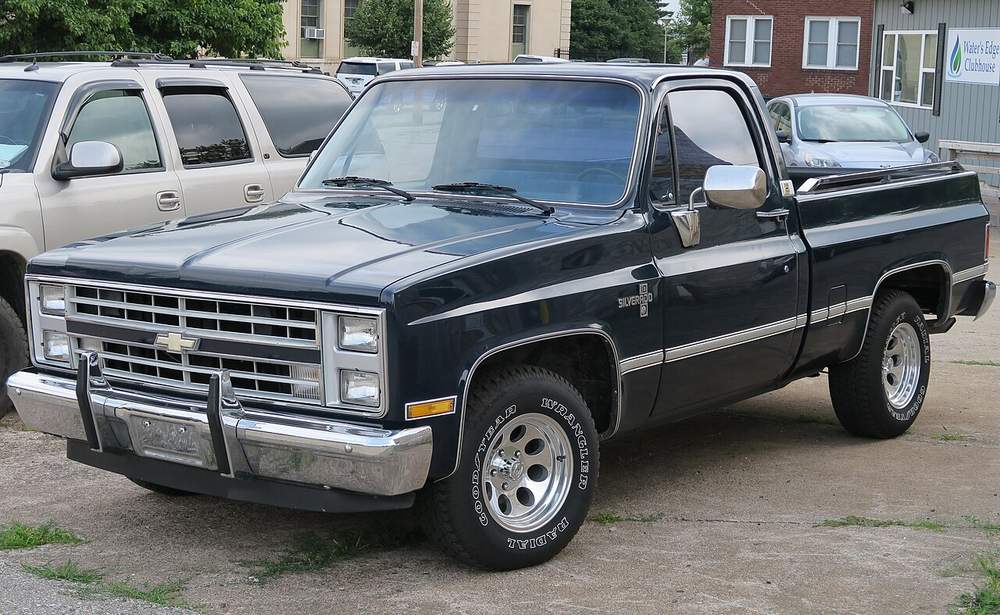
Lead photo: 1987 Chevrolet Silverado, by Elise240SX, CC BY-SA 4.0, via Wikimedia Commons.
Volunteer
Office Cleaning/ Painting
via United Way Volunteer
https://volunteer.uwgrant.com/need/detail/?need_id=1309340Volunteer opportunity — sign up or learn more through United Way of Grant County.
Thanksgiving Community Meal Volunteer
via United Way Volunteer
https://volunteer.uwgrant.com/need/detail/?need_id=1308632Volunteer opportunity — sign up or learn more through United Way of Grant County.
Painting bridge accent details
via United Way Volunteer
https://volunteer.uwgrant.com/need/detail/?need_id=1307266Volunteer opportunity — sign up or learn more through United Way of Grant County.
In Memoriam
Stephen Stepler, 76, of Marion
via Needham-Storey-Wampner Funeral Service
https://www.nswcares.com/obituaries/Stephen-Shepler?obId=49480411Stephen Stepler 76, of Marion, died September 4, 2026.
Full obituary and condolences: https://www.nswcares.com/obituaries/Stephen-Shepler?obId=49480411
Dorothy J. Lynch Schwingle, 92
via Armes-Hunt Funeral Home
https://www.armeshuntfuneralhome.com/obituaries/dorothy-lynch-schwingleDorothy J. Lynch Schwingle 92, died September 3, 2026.
Graveside Service September 8, 2026 at 11:00 AM — Jefferson Cemetery, Marion
Full obituary and condolences: https://www.armeshuntfuneralhome.com/obituaries/dorothy-lynch-schwingle
Roland "Beau" Hamner IV, 45
via Needham-Storey-Wampner Funeral Service
https://www.nswcares.com/obituaries/Roland-HamnerIV?obId=49466600Roland "Beau" Hamner IV 45, died August 30, 2026.
Services September 10, 2026 — details at the funeral home's page.
Full obituary and condolences: https://www.nswcares.com/obituaries/Roland-HamnerIV?obId=49466600
Alberta Hanthorn, 90
via Needham-Storey-Wampner Funeral Service
https://www.nswcares.com/obituaries/Alberta-Hanthorn?obId=49465842Alberta Hanthorn 90, died September 2, 2026.
Services September 9, 2026 — details at the funeral home's page.
Full obituary and condolences: https://www.nswcares.com/obituaries/Alberta-Hanthorn?obId=49465842
Thomas "Tom" D. McIntire, 82
via Needham-Storey-Wampner Funeral Service
https://www.nswcares.com/obituaries/ThomasTom-McIntire?obId=49464918Thomas "Tom" D. McIntire 82, died September 2, 2026.
Full obituary and condolences: https://www.nswcares.com/obituaries/ThomasTom-McIntire?obId=49464918
Jodie L. Wood, 96, of Gas City
via Needham-Storey-Wampner Funeral Service
https://www.nswcares.com/obituaries/Joan-Wood?obId=49462841Jodie L. Wood 96, of Gas City, died September 2, 2026.
Services September 8, 2026 — details at the funeral home's page.
Full obituary and condolences: https://www.nswcares.com/obituaries/Joan-Wood?obId=49462841
Sandra Jones, 75
via Needham-Storey-Wampner Funeral Service
https://www.nswcares.com/obituaries/Sandra-Jones?obId=49444628Sandra Jones 75, died August 29, 2026.
Services September 4, 2026 — details at the funeral home's page.
Full obituary and condolences: https://www.nswcares.com/obituaries/Sandra-Jones?obId=49444628
Pamela Y Cole, 61
via Needham-Storey-Wampner Funeral Service
https://www.nswcares.com/obituaries/Pamela-Cole?obId=49422281Pamela Y Cole 61, died August 29, 2026.
Full obituary and condolences: https://www.nswcares.com/obituaries/Pamela-Cole?obId=49422281
Harry W. Scott Jr., 73
via Needham-Storey-Wampner Funeral Service
https://www.nswcares.com/obituaries/Harry-ScottJr?obId=49413151Harry W. Scott Jr. 73, died August 30, 2026.
Services September 6, 2026 — details at the funeral home's page.
Full obituary and condolences: https://www.nswcares.com/obituaries/Harry-ScottJr?obId=49413151
Dwight Charles Pollen, 85
via Armes-Hunt Funeral Home
https://www.armeshuntfuneralhome.com/obituaries/dwight-pollenDwight Charles Pollen 85, died August 29, 2026.
Full obituary and condolences: https://www.armeshuntfuneralhome.com/obituaries/dwight-pollen
James Humphrey, 71, of Marion
via Needham-Storey-Wampner Funeral Service
https://www.nswcares.com/obituaries/James-Humphrey?obId=49416739James Humphrey 71, of Marion, died August 27, 2026.
Services September 4, 2026 — details at the funeral home's page.
Full obituary and condolences: https://www.nswcares.com/obituaries/James-Humphrey?obId=49416739
Martha Susan (Webb) Marley, 94, of Marion, Indiana
via Raven-Choate-Robinson Funeral Home
https://www.ravenchoate.com/obituaries/martha-marleyMartha Susan (Webb) Marley 94, of Marion, Indiana, died August 29, 2026.
Visitation September 3, 2026 at 10:00 AM — Raven Choate Robinson Funeral Home, Marion
Funeral Service September 3, 2026 at 11:00 AM — Raven Choate Robinson Funeral Home, Marion
Full obituary and condolences: https://www.ravenchoate.com/obituaries/martha-marley
Comics
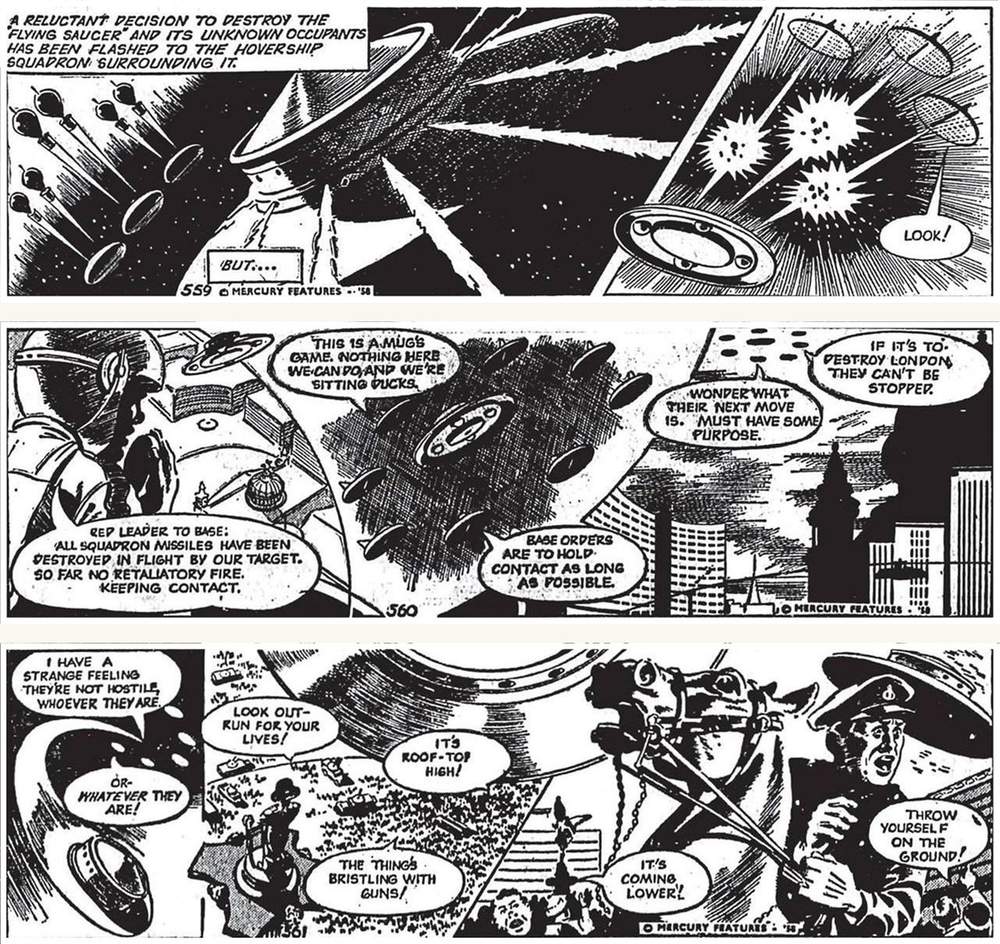
Ace O'Hara: The Flying Saucer Mystery — Part 7
via Ace O'Hara: The Flying Saucer Mystery
https://comicbookplus.com/?dlid=78918From the funny pages of 1958 — a weekly serial of machines, and men, who baffled the experts. Public domain, via comicbookplus.com.
Get Grant County in your inbox
The next edition of Grant County, in your inbox every Sunday morning.
Free. Unsubscribe any time. We don't share your info.